What Is...?
Acupuncture
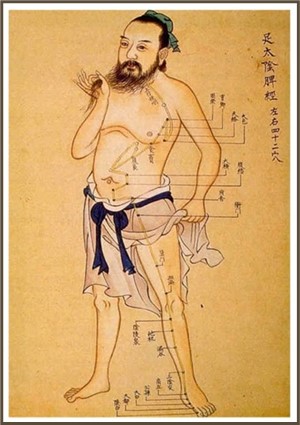
Acupuncture is a safe, proven method of treating imbalance in the body using very fine, sterile, single-use needles to stimulate specific points.
It has a history dating back centuries and has its roots in Asia. In the UK, acupuncturists need to be accredited by a registered training provider.
Acupuncture - Systems
TCM Acupuncture
Traditional Chinese Medicine (TCM) is a healthcare system based on ancient principles that originated in the East over 2000 years ago where it still features in mainstream healthcare, both as a stand-alone practice and combined with western medicine. TCM acupuncture concentrates on activating the body’s own healing mechanism and has been used historically to treat a wide range of conditions.
Western Medical Acupuncture is practised by a range of health care professionals and postgraduates with clinical medical experience who use acupuncture either as: An adjunct to their primary medical role or to explore from a scientific or research perspective or to support an interest or option to use in private practice.
Dry needling or “Trigger Point Acupuncture”
This is an effective and efficient technique for the treatment of muscular pain and myofascial dysfunction and often performed by physiotherapists.
Auricular Acupuncture
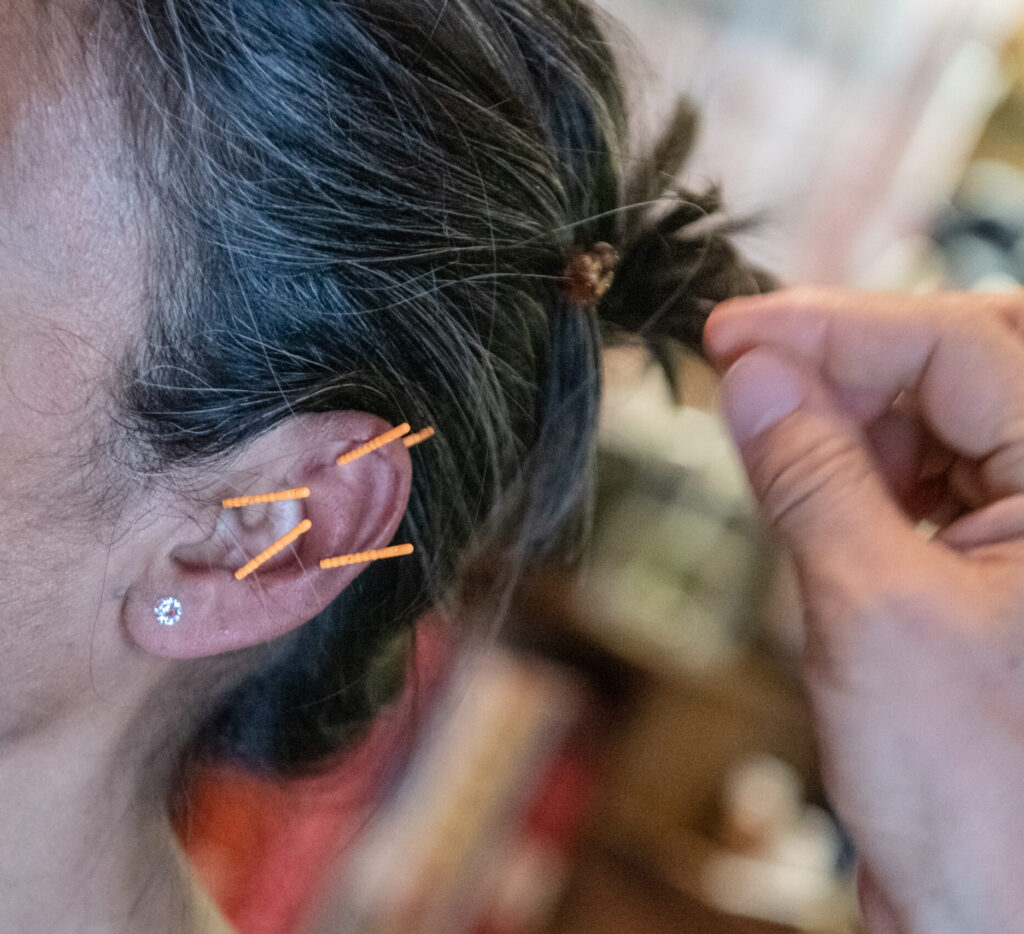
Auricular Acupuncture is needling of the ears which is probably the most developed and best documented, scientifically, of all the Microsystems of acupuncture and is the most practical and widely used.
Microsystems Acupuncture
Microsystems Acupuncture is based on well-defined areas of the body, such as the hand, foot and ear, that correspond to all organs and parts of the body.
Japanese Acupuncture
Japanese acupuncture uses very fine needles that are only inserted to a shallow depth or with systems such as Toyohari they are not inserted at all (contact acupuncture). Japanese acupuncture places a lot of emphasis on the use of palpation (touch) before needle treatment. These practitioners rely on abdominal palpation to judge the insertion point of the needle. This practice roots from the many blind acupuncturists of Ancient Japan, and it goes hand in hand with the gentle needling.
Korean Acupuncture
Korean acupuncturists tend to use the 4 needle technique of acupuncture. Assuming that the meridian (acupuncture energy pathway) means road. When a single lane is blocked by a broken down car, you can remove a car by pulling from the front and pushing from behind. In the case of acupuncture, the acupuncturist uses just 2 needles. When 3 roads meet, he must block one road and the other two roads then move freely. In this case he uses 3 needles. When 4 roads meet, he must block two roads and the other two roads move freely. In this case he uses 4 needles. All the important concepts in the traditional acupuncture are included in special 5 points in each meridian. Korean Acupuncture calls these 5 elements and 5 transport points. All these locations are under elbows and knees.
Veterinary Acupuncture
Up until the Yuan dynasty of the 14th century, Chinese medicine was used sparingly on large animals. Much of the focus was on the treatment of horses since they were so essential to the military. In more modern times it has been used increasingly on pet animals. Acupuncture is one of the 5 branches of TCVM and can only be carried out by qualified vets in the UK.
Amno Fu (Fu Bu Anmo)
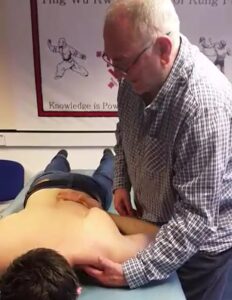
The system of Fu Bu Anmo was lost after the Cultural Revolution in China. Anmo-fu (the shortened name) has a wide variety of indications and uses from tonifying/detoxifying the organs in the body, to improving oxygenation of the bodily system by balancing the diaphragm and re-alignment by direct treatment of the psoas muscles.
For adults as well as for infants and young children, massaging the abdominal promotes digestion, alleviates gastric upsets, soothes the nerves related to the area of massage, and benefits the organs that are interconnected with the stomach as well as the intestinal tract.
Abdominal aches, gas, and a “knot” in the gut are all typical reactions to stress and pressure. For individuals of all ages with these stress related issues, a stomach massage can not only alleviate the symptoms, but can actually alleviate some of the stress which causes the symptoms.
Also, as most of the masters of Anmo-Fu taught the system to only one or two students, and many of the less known techniques have been lost over the generations, Mantak Chia’s books and instruction in this subject are helping to keep the system alive.
Craniosacral balancing
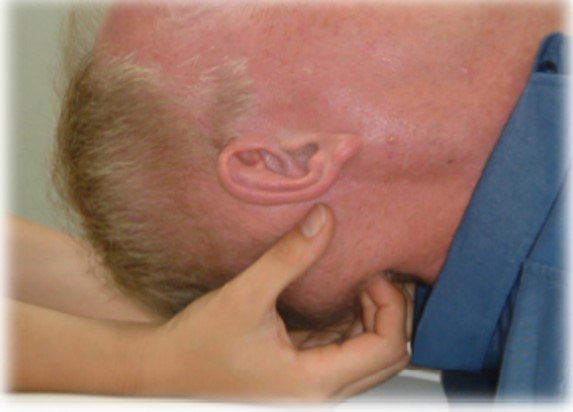
Craniosacral balancing is gentle balancing of the occiput and sacrum bones to help the spine re-align.
The techniques were developed and documented by Andrew Taylor Still (1828-1917) the founder of osteopathy; William G. Sutherland (1873–1954) an osteopathic physician; and John E. Upledger (1932-2012) who further developed the understanding of dura mater and CSF (Cerebrospinal Fluid).
A form of cranio-sacral balancing was used in ancient TCM practices and is included as part of the Tao Yin disciplines.
Mobilisation and Positional release techniques
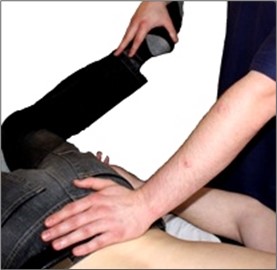
These techniques involve placing or moving the body into less-stressed, “comfortable” positions enabling a number of beneficial changes to emerge e.g., pain and inflammation reduction, increased muscular strength and reduced fascial stiffness, reduced pain-medication use and improved circulation.
A method of this includes craniosacral balancing.
These methods are included as part of the Tao Yin disciplines.
Muscular Skeletal Diagnosis
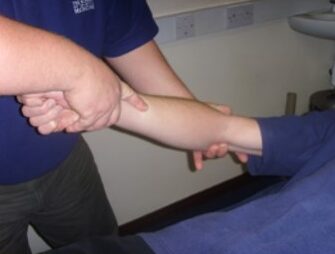
This is a diagnostic tool which involves the practitioner working out where there is an issue in the body.
Finding a strong indicator muscle to investigate the root cause of the pain, and then muscle testing to determine the diagnosis.
The dysfunction can be identified effectively and efficiently.
This is also part of the Tao Yin manual therapy disciplines.
Tao Yin
Tao Yin is an ancient Chinese term for manual therapy.
It encompasses gentle techniques such as Muscular Skeletal Diagnosis, Fu Bo Anmo or Chi Nei Tsang, Tui Na, Cranial Balancing, Mobilisation and Positional Release enabling balance in the body.
TuiNa & Tao-Yin are amongst the oldest forms of medicine written about and practiced in China, TuiNa (originally classed as a part of Anmo but renamed about 500 years ago to separate from massage) and Tao-Yin (also can be spelt and pronounced as Dao Yin) are still relevant and effective forms of manual therapeutics in today’s society. STEM School of Tibetan and Eastern Medicine have been instructing and practicing these therapies following on from AOM Academy of Oriental Medicine for many years now.
Tibetan Medicine
Tibetan Medicine combines herbs, acupuncture, moxa, psychology and dietary advice, to keep a harmonious balance of the relationship between the physical, spiritual and energy bodies.
Sowa Rigpa means the Science of Healing is centuries old and is still practised today.
“Tibetan Medicine was developed in the 830s when scholars from all over the world spent a decade comparing medical systems of India, China, Persia, Mongolia, and Uigurhia to create a Tibetan medical system that integrated the best available psychology, anatomy, neurology, surgery, botany, chemistry, nutrition with Buddhist spiritual technology.”
Extract from Tibetan book of the dead – Robert A.F. Thurman.
Traditional Chinese Medicine
TCM is the term used for collective treatment including acupuncture, moxibustion, cupping, massage and electro acupuncture. Some practitioners will also be trained in prescribing Chinese herbal medicine.
The treatment focuses on treating the root cause considering the a state of relative equilibrium between the human body and the external environment.
Tui Na
Tui Na is Chinese Massage. Tui (push) Na (pull or grasp).
Some tui na styles are gentle using qi flow and gentle techniques, and some are very physical and strongly stimulated until the client feels a release.
Chinese massage and qi gong (energy work) have been practiced for over 3000 years, they are the ‘old school’ methods to balance the spine.
Modern day techniques are more robust.
The more gentle version is part of the ancient Tao Yin techniques.
TuiNa & Tao-Yin are amongst the oldest forms of medicine written about and practiced in China, TuiNa (originally classed as a part of Anmo but renamed about 500 years ago to separate from massage) and Tao-Yin (also can be spelt and pronounced as Dao Yin) are still relevant and effective forms of manual therapeutics in today’s society. The School of Tibetan and Eastern Medicine (STEM) have been instructing and practicing these therapies for many years now.
Energy Work
Developed over a number of years, starting at the AOM Academy of Oriental Medicine with Dr Graham Chandler and his Qi Gong training, and continued with Reiki Master Michelle Sands BSc (Hons), SAC DIP, MBPsS, Blisski and now mentored by Dr Passang Thopchen.
Yoga
Priti qualified as an instructor in India (2013) at SVYASA University. She now practices with some wonderful teachers Father Joe Pereira, Uday Bhosale, Zubin Zarthosthimanesh and Abhijata Iyengar to further her practice and study in yoga subjects. This provides the opportunity to share her experience with others.
Acupoint yoga
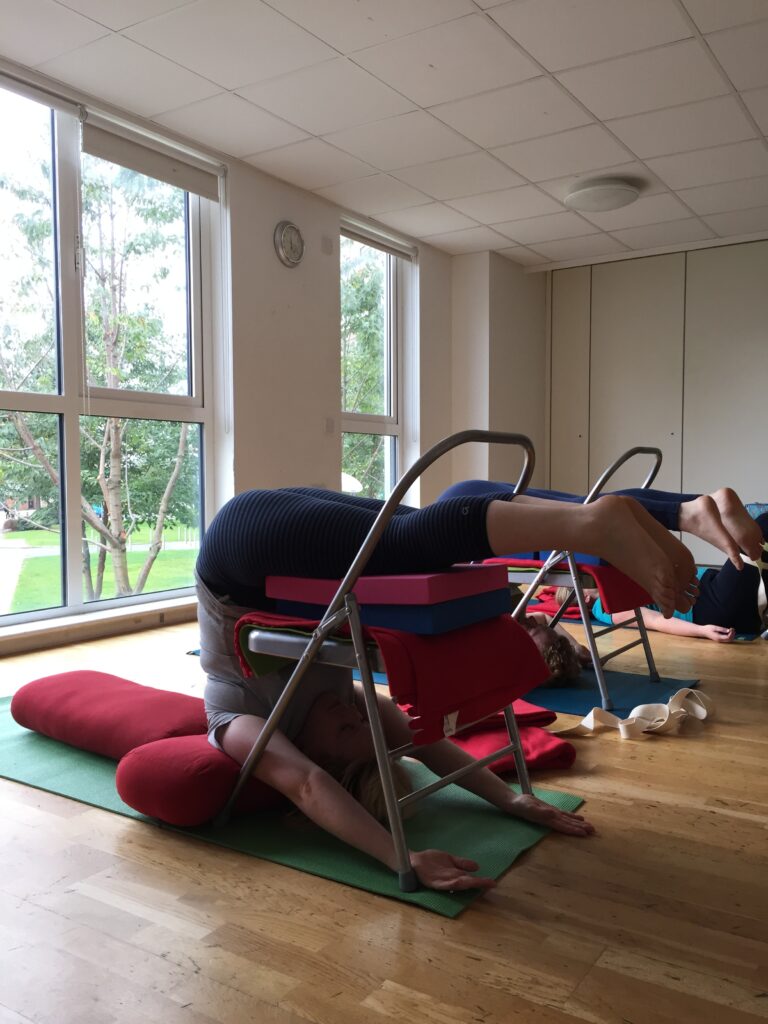
Acupoint yoga is a therapeutic blend of yoga and acupuncture principles, designed to support individuals on their long-term healing journey. By integrating acupressure points and meridian pathways into both dynamic and static postures, Acupoint yoga offers continuity of care between acupuncture treatments, empowering clients to take an active role in their recovery.
This practice encourages the embodiment of Eastern Medicine principles in everyday life, enhancing physical wellbeing while fostering a deeper connection to the body’s innate wisdom.
Please contact us for further information.
- Acupuncture
- Acupuncture - Systems
- Amno Fu (Fu Bo Anmo)
- Craniosacral balancing
- Mobilisation and Positional release techniques
- Muscular Skeletal Diagnosis
- Tao Yin
- Tibetan Medicine
- Traditional Chinese Medicine (TCM)
- Tui Na
- Energy work
- Yoga

Acupuncture is a safe, proven method of treating imbalance in the body using very fine, sterile, single-use needles to stimulate specific points.
It has a history dating back centuries and has its roots in Asia. In the UK, acupuncturists need to be accredited by a registered training provider.
TCM Acupuncture
Traditional Chinese Medicine (TCM) is a healthcare system based on ancient principles that originated in the East over 2000 years ago where it still features in mainstream healthcare, both as a stand-alone practice and combined with western medicine. TCM acupuncture concentrates on activating the body’s own healing mechanism and has been used historically to treat a wide range of conditions.
Western Medical Acupuncture is practised by a range of health care professionals and postgraduates with clinical medical experience who use acupuncture either as: An adjunct to their primary medical role or to explore from a scientific or research perspective or to support an interest or option to use in private practice.
Dry needling or “Trigger Point Acupuncture”
This is an effective and efficient technique for the treatment of muscular pain and myofascial dysfunction and often performed by physiotherapists.
Auricular Acupuncture
Auricular Acupuncture is needling of the ears which is probably the most developed and best documented, scientifically, of all the Microsystems of acupuncture and is the most practical and widely used.
Microsystems Acupuncture
Microsystems Acupuncture is based on well-defined areas of the body, such as the hand, foot and ear, that correspond to all organs and parts of the body.
Japanese Acupuncture
Japanese acupuncture uses very fine needles that are only inserted to a shallow depth or with systems such as Toyohari they are not inserted at all (contact acupuncture). Japanese acupuncture places a lot of emphasis on the use of palpation (touch) before needle treatment. These practitioners rely on abdominal palpation to judge the insertion point of the needle. This practice roots from the many blind acupuncturists of Ancient Japan, and it goes hand in hand with the gentle needling.
Korean Acupuncture
Korean acupuncturists tend to use the 4 needle technique of acupuncture. Assuming that the meridian (acupuncture energy pathway) means road. When a single lane is blocked by a broken down car, you can remove a car by pulling from the front and pushing from behind. In the case of acupuncture, the acupuncturist uses just 2 needles. When 3 roads meet, he must block one road and the other two roads then move freely. In this case he uses 3 needles. When 4 roads meet, he must block two roads and the other two roads move freely. In this case he uses 4 needles. All the important concepts in the traditional acupuncture are included in special 5 points in each meridian. Korean Acupuncture calls these 5 elements and 5 transport points. All these locations are under elbows and knees.
Veterinary Acupuncture
Up until the Yuan dynasty of the 14th century, Chinese medicine was used sparingly on large animals. Much of the focus was on the treatment of horses since they were so essential to the military. In more modern times it has been used increasingly on pet animals. Acupuncture is one of the 5 branches of TCVM and can only be carried out by qualified vets in the UK.
The system of Fu Bu Anmo was lost after the Cultural Revolution in China. Anmo-fu (the shortened name) has a wide variety of indications and uses from tonifying/detoxifying the organs in the body, to improving oxygenation of the bodily system by balancing the diaphragm and re-alignment by direct treatment of the psoas muscles.
Also, as most of the masters of Anmo-Fu taught the system to only one or two students, and many of the less known techniques have been lost over the generations, Mantak Chia’s books and instruction in this subject are helping to keep the system alive.
Craniosacral balancing is gentle balancing of the occiput and sacrum bones to help the spine re-align.
The techniques were developed and documented by Andrew Taylor Still (1828-1917) the founder of osteopathy; William G. Sutherland (1873–1954) an osteopathic physician; and John E. Upledger (1932-2012) who further developed the understanding of dura mater and CSF (Cerebrospinal Fluid).
A form of cranio-sacral balancing was used in ancient TCM practices and is included as part of the Tao Yin disciplines.
These techniques involve placing or moving the body into less-stressed, "comfortable" positions enabling a number of beneficial changes to emerge e.g., pain and inflammation reduction, increased muscular strength and reduced fascial stiffness, reduced pain-medication use and improved circulation.
A method of this includes craniosacral balancing.
These methods are included as part of the Tao Yin disciplines.
This is a diagnostic tool which involves the practitioner working out where there is an issue in the body.
Finding a strong indicator muscle to investigate the root cause of the pain, and then muscle testing to determine the diagnosis.
The dysfunction can be identified effectively and efficiently.
This is also part of the Tao Yin manual therapy disciplines.
Tao Yin is an ancient Chinese term for manual therapy.
It encompasses gentle techniques such as Muscular Skeletal Diagnosis, Fu Bo Anmo or Chi Nei Tsang, Tui Na, Cranial Balancing, Mobilisation and Positional Release enabling balance in the body.
TuiNa & Tao-Yin are amongst the oldest forms of medicine written about and practiced in China, TuiNa (originally classed as a part of Anmo but renamed about 500 years ago to separate from massage) and Tao-Yin (also can be spelt and pronounced as Dao Yin) are still relevant and effective forms of manual therapeutics in today’s society. The School of Eastern Medicine (SOEM) have been instructing and practicing these therapies for many years now.
“Tibetan Medicine was developed in the 830s when scholars from all over the world spent a decade comparing medical systems of India, China, Persia, Mongolia, and Uigurhia to create a Tibetan medical system that integrated the best available psychology, anatomy, neurology, surgery, botany, chemistry, nutrition with Buddhist spiritual technology.”
Extract from Tibetan book of the dead - Robert A.F. Thurman.
TCM is the term used for collective treatment including acupuncture, moxibustion, cupping, massage and electro acupuncture. Some practitioners will also be trained in prescribing Chinese herbal medicine.
The treatment focuses on treating the root cause considering the a state of relative equilibrium between the human body and the external environment.
Tui Na is Chinese Massage. Tui (push) Na (pull or grasp).
Some tui na styles are gentle using qi flow and gentle techniques, and some are very physical and strongly stimulated until the client feels a release.
Chinese massage and qi gong (energy work) have been practiced for over 3000 years, they are the ‘old school’ methods to balance the spine.
Modern day techniques are more robust.
The more gentle version is part of the ancient Tao Yin techniques.
TuiNa & Tao-Yin are amongst the oldest forms of medicine written about and practiced in China, TuiNa (originally classed as a part of Anmo but renamed about 500 years ago to separate from massage) and Tao-Yin (also can be spelt and pronounced as Dao Yin) are still relevant and effective forms of manual therapeutics in today’s society. The School of Eastern Medicine (SOEM) have been instructing and practicing these therapies for many years now.
Developed over a number of years, starting at the Academy of Oriental Medicine with Dr Graham Chandler and his Qi Gong training, this continued with Reiki Master Michelle Sands BSc (Hons), SAC DIP, MBPsS, Blisski.
Priti has practised yoga since 2001, and qualified as an instructor in India (2013) at SVYASA University. She now practices with some wonderful teachers Uday Bhosale, Father Joe, Zubin Zarthosthimanesh and Abhijata Iyengar to further study her practice. This provides the ability to share her experience with others.
The classes are now face-to-face at the University of Greenwich campus, on-line and classes for the homeless at The Passage in Victoria.